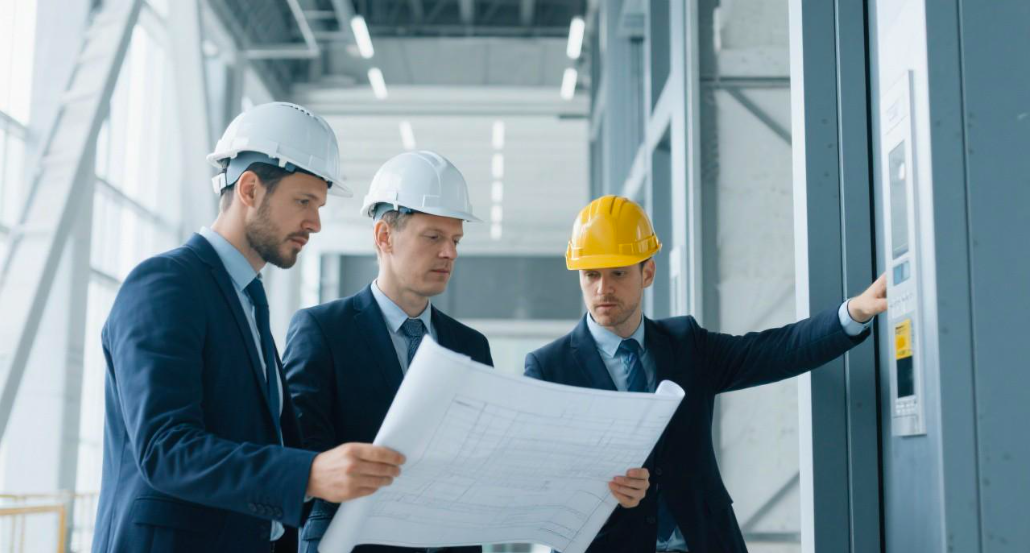
Choosing an elevator company is an important decision when planning a villa, apartment complex, office, hospital, hotel or industrial facility.
The elevator becomes an integral part of the building. Its performance depends not only on the equipment but also on how well the lift is selected, installed, commissioned and maintained.
For architects, builders and property owners in Chennai, the challenge is to identify a supplier who understands the project requirements and can coordinate effectively with the construction team.
Here are seven things to evaluate before making your decision.
1. Look for experience relevant to your project
Not every elevator application is the same.
A residential villa may need a compact home lift. An apartment building may require passenger elevators designed for regular traffic. Hospitals, factories and automobile facilities have their own operational requirements.
Ask the elevator company to explain its experience with projects similar to yours.
Review the Professional Elevators product range to understand the different application categories available.
2. Check the range of elevator solutions
A supplier should be able to assess your application and recommend an appropriate configuration.
Depending on the project, you may need to evaluate:
- Home lifts
- Passenger elevators
- Hospital elevators
- Goods elevators
- Automobile elevators
- Hydraulic elevator systems
Explore the relevant elevator products before requesting a technical proposal.
3. Involve the elevator company during construction planning
One of the most expensive mistakes is finalizing the shaft before confirming the elevator specifications.
The supplier should coordinate with the architect and structural engineer on shaft dimensions, pit, overhead, landing doors, electrical requirements and installation access.
If the building is already completed, a feasibility assessment should happen before civil modifications begin.
Read: Can You Add an Elevator After Construction?.
4. Ask about safety and compliance
Request the technical documentation relevant to the proposed elevator.
This may include equipment specifications, safety features, testing and commissioning procedures, and applicable approvals.
You can consult the Bureau of Indian Standards for information on Indian standards. Also confirm the applicable state-level lift requirements for your project.
Do not rely on general marketing statements as a substitute for installation-specific documentation.
5. Understand the complete quotation
A proper comparison should cover the scope of work, not just the headline price.
Clarify whether the quotation includes:
- Elevator equipment
- Cabin and landing doors
- Installation
- Civil work, if offered
- Electrical provisions
- Testing and commissioning
- Warranty
- Taxes and exclusions
Ask the supplier to document any work that remains the responsibility of the builder or property owner.
6. Evaluate after-sales service and maintenance
The relationship with an elevator company continues after installation.
Before signing, ask about preventive maintenance, service coverage, breakdown response, spare parts and annual maintenance contracts.
Understand the exclusions and response commitments in writing.
7. Check project coordination and communication
A reliable project process should establish who is responsible for drawings, site readiness, installation scheduling, inspections and handover.
This is particularly important when the elevator installation must be coordinated with other contractors and the building’s completion schedule.
Questions to ask before finalizing your elevator supplier
Use this checklist during supplier discussions:
- Have you handled a project similar to mine?
- Which elevator configuration do you recommend, and why?
- What shaft and structural provisions are required?
- What safety documentation will be provided?
- What is included in the quotation?
- What is the expected installation sequence?
- What maintenance and service support is available?
- What needs to be completed before installation begins?
Frequently asked questions
How do I find a good elevator company in Chennai?
Compare relevant project experience, technical suitability, documentation, quotation scope, installation coordination and after-sales service. Verify the company’s claims and request a detailed proposal.
Should an elevator company be involved before construction?
Yes. Early involvement helps coordinate the elevator with architectural, structural and electrical requirements.
Can one elevator company handle residential and commercial projects?
Some companies offer multiple elevator categories. Confirm that the supplier has the appropriate equipment, technical capability and experience for your particular application.
Planning an elevator for a new or existing building?
Professional Elevators is based in Chennai and offers elevator solutions for residential, commercial and industrial applications.
Whether you are an architect, builder, developer or property owner, begin with a clear understanding of the building’s requirements.